Technical assessment
Critical applications, sites, devices, identities, and dependencies are included in the assessment.
Firewalls, endpoint protection, detection, and response for distributed environments.
The solution design depends on applications, access requirements, traffic, platforms, licensing, and operational responsibilities.

The published catalog includes six 1U Sophos Firewall XGS appliances, each with official media assets and data sheets. The broader technical inventory tracks 19 current XGS firewalls among 37 physical models across multiple families, plus 13 software, platform, and service entries. Items without exact media assets and regional commercial validation remain in editorial content or in preparation only.
The assessment connects connectivity, segmentation, devices, application access, continuity, and operational capacity.
Critical applications, sites, devices, identities, and dependencies are included in the assessment.
Inspected traffic, TLS, interfaces, availability, and growth guide the selection.
Hardware, base licenses, subscriptions, support, and services are itemized in the scope.
Changes, testing, rollback criteria, and responsibilities are planned before the transition.
Network, endpoints, identities, and operations serve distinct purposes. Sophos Fusion is the gradual evolution of Sophos Central; both names and experiences still coexist.
Security Heartbeat and Synchronized Security connect compatible products. Available actions depend on the combination of products, versions, licenses, and configuration.
The final selection combines the environment, deployment model, licenses, integrations, and responsibilities—not merely the product name.
The work organizes requirements, architecture, deployment, and operations into verifiable stages.
Migrations from XG to XGS, VPN to ZTNA, or legacy consoles and editions require compatibility checks, licensing, testing, and a rollback plan.
Physical families and virtual deployment models must be selected according to their function and the actual scenario.
Compact firewalls for small businesses and branch offices.
Expandable firewalls for distributed enterprise networks.
Firewalls for large-scale environments with greater connectivity demands.
Deployment models without a dedicated XGS appliance.
Extends connectivity from remote sites to Sophos Firewall.
Gigabit connectivity with 8-, 24-, and 48-port models.
Multi-gigabit connectivity for the access layer.
Copper connectivity up to 10 GbE with PoE.
Wi-Fi 6 and 6E based on the environment, client devices, and capacity requirements.
XGS is the current product line. XG reached end of life on March 31, 2025. Virtual deployment models should not be assumed to inherit the features or high-availability capabilities of physical appliances.
Edition, platform, telemetry, retention, and responsibilities determine the effective capability.
Protection for devices and servers with centralized management.
Investigation and response using context from different controls.
Vendor-managed detection and response service.
Analysis of suspicious behavior in network traffic.
Application access authorized according to identity and device posture.
Components that protect browsing, access, and digital work.
Protection for messages and email flows.
Cloud-based security management and context, with a gradual naming transition.
Management and protection of mobile devices and compatible endpoints.
Sophos MDR is the vendor’s 24/7 service. This does not amount to Add Solution providing its own 24/7 operation or SLA.
XGS is the current Sophos Firewall appliance line. XG reached end of life on March 31, 2025. Migration must account for hardware, version, licensing, and configuration.
XGS 87/87w through 136/136w are in the post-end-of-sale period, with end of life announced for September 30, 2030. For new projects, this mapping uses XGS 88 through 138.
Sophos Central is evolving into Sophos Fusion. The change is gradual and should not be described as an immediate, universal discontinuation of Sophos Central.
Sophos Endpoint is the current primary brand. Intercept X remains a historical name in previous materials and contracts.
Consider traffic with controls enabled, TLS inspection, sessions, VPN, interfaces, availability, and growth. User counts or maximum throughput figures alone are not sufficient.
No. Hardware, the base license, protection subscriptions, and support are separate components. The proposal must specify the items, term, and requirements.
XDR provides investigation and response capabilities; MDR adds a vendor-managed service. Data sources, permissions, and responsibilities must be defined.
Integrations can share context and coordinate actions, but behavior depends on compatibility, versions, licenses, and configuration.
AP6 uses cloud management and an individual local interface. It should not be confused with APX. Confirm the subscription required for centralized management.
Products, licenses, terms, integrations, deployment stages, responsibilities, service hours, channels, and service levels for the contracted service.
Compartilhe o contexto da operação, quantidade de usuários, localidades e objetivos do projeto. A equipe Add Solution direcionará a conversa para especialistas em arquitetura, dimensionamento, licenciamento e implantação Sophos.
Tell us what you need to protect, how teams access systems, and where the main challenges lie.
Selecione um produto para consultar especificações, contexto de aplicação e documentos oficiais.
Valores publicados pelo fabricante. O dimensionamento final considera arquitetura, tráfego, serviços ativos, redundância e crescimento.
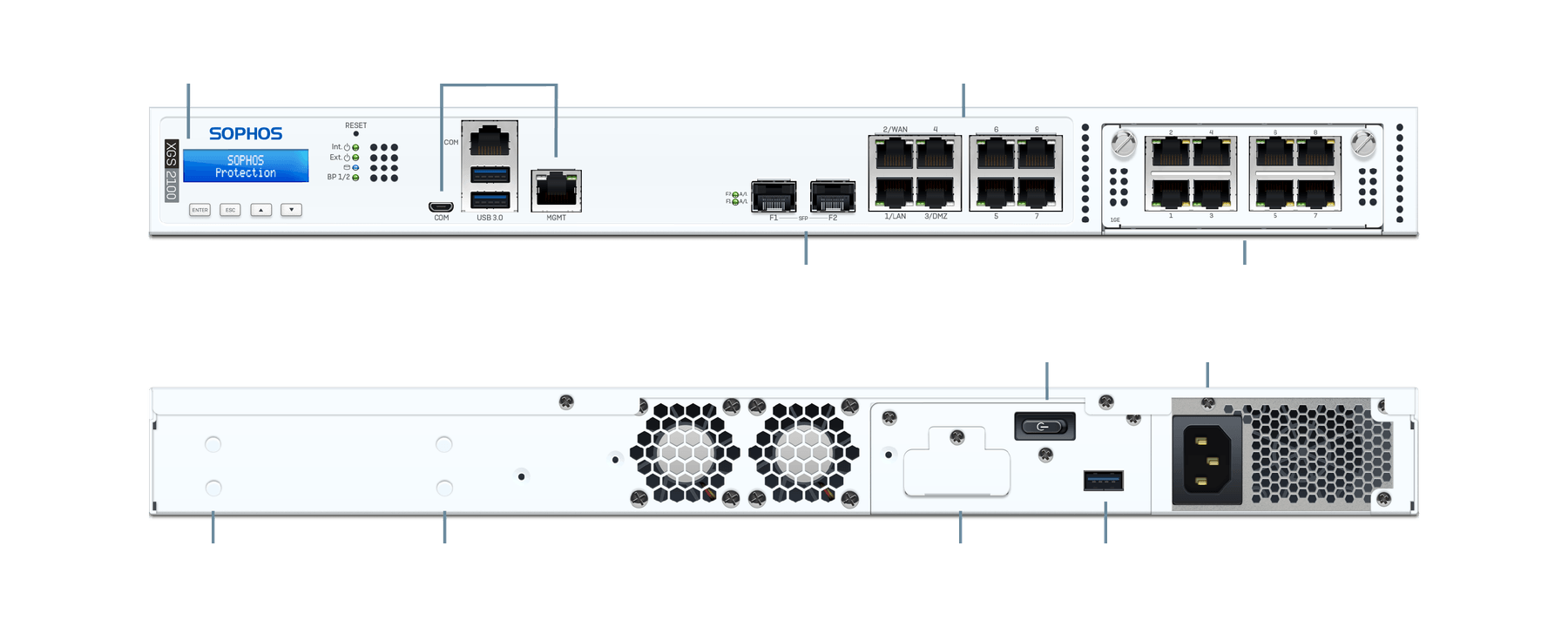
Rackmount entry point for organizing enterprise network controls.
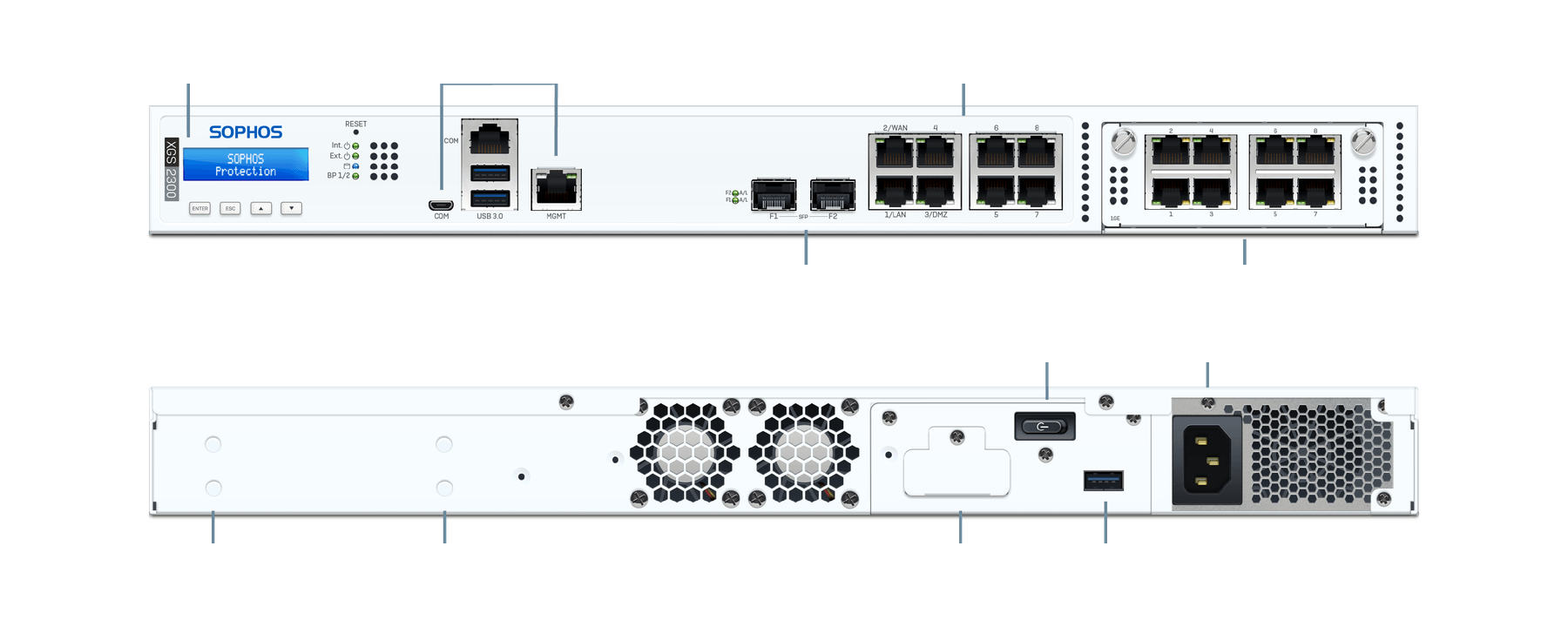
Rackmount firewall for sites with growing traffic and VPN requirements.
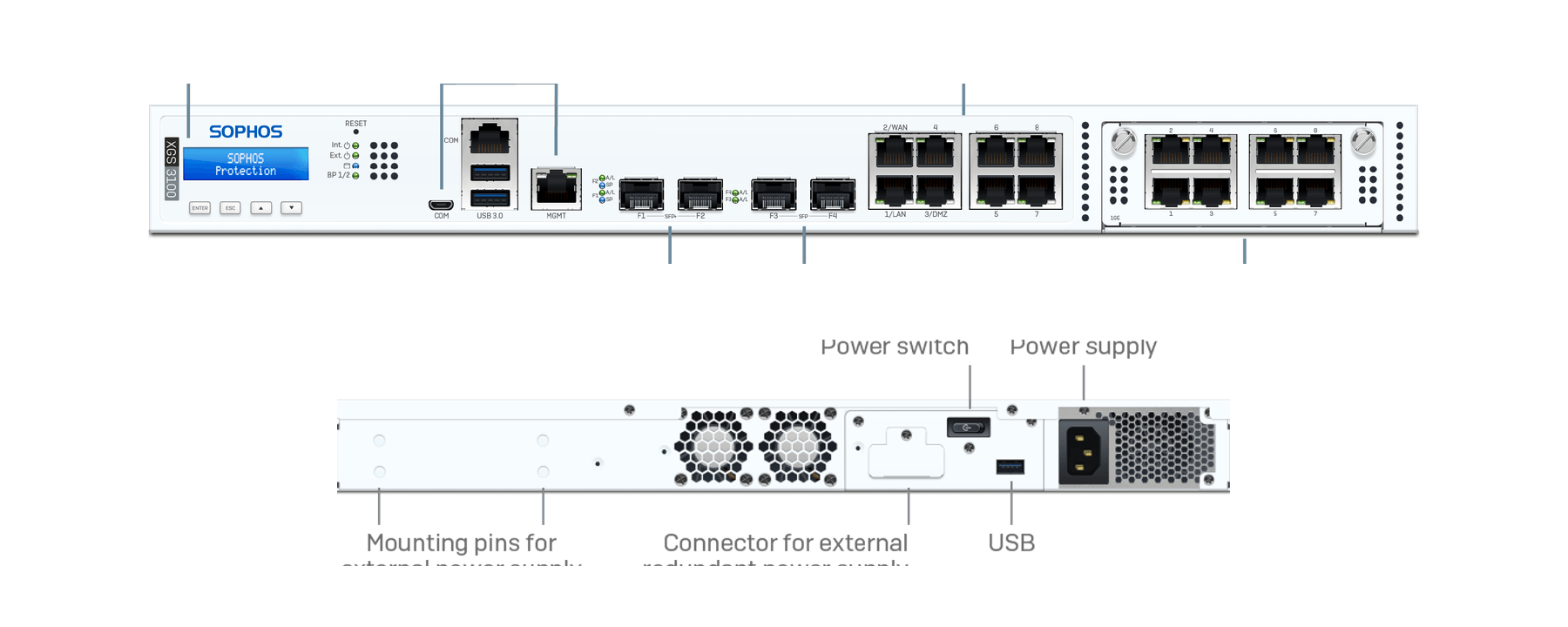
1U firewall with integrated 10 GbE interfaces for enterprise networks.
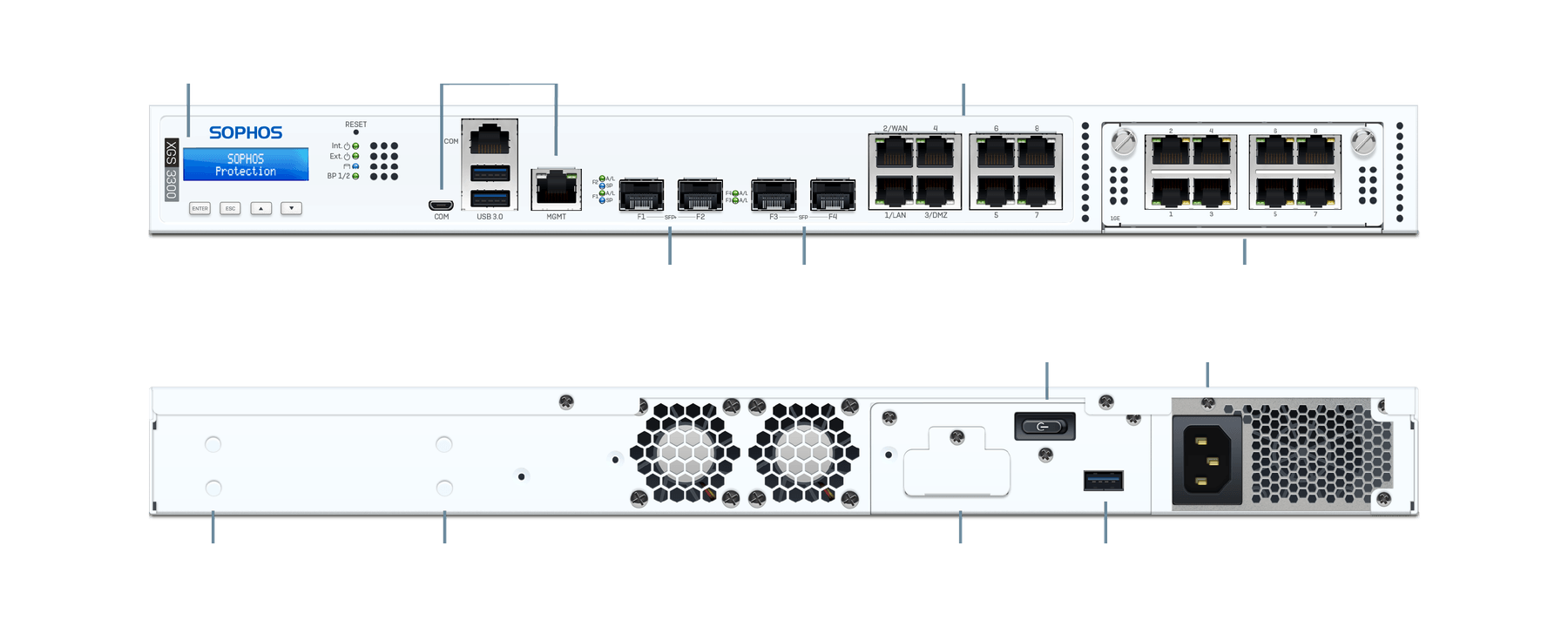
1U firewall for higher inspection demand in distributed environments.
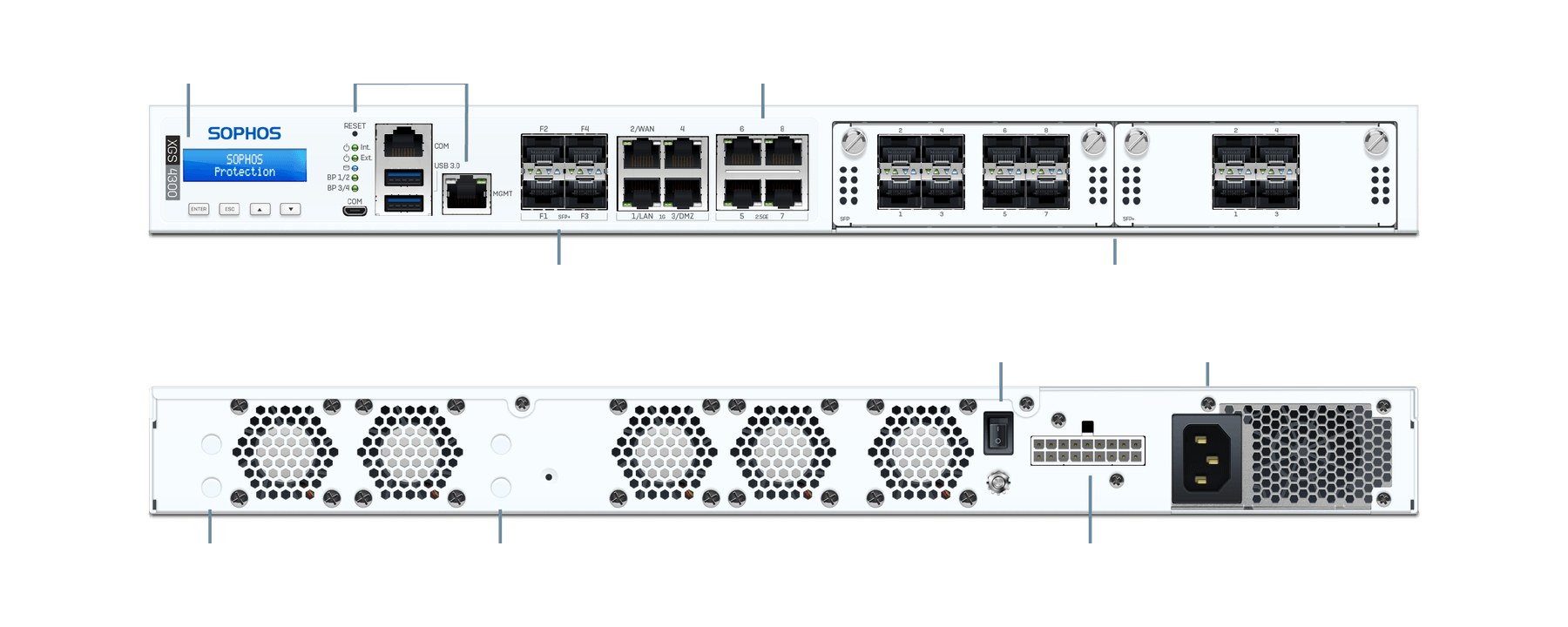
Firewall with multiple high-speed uplinks and interface expansion.
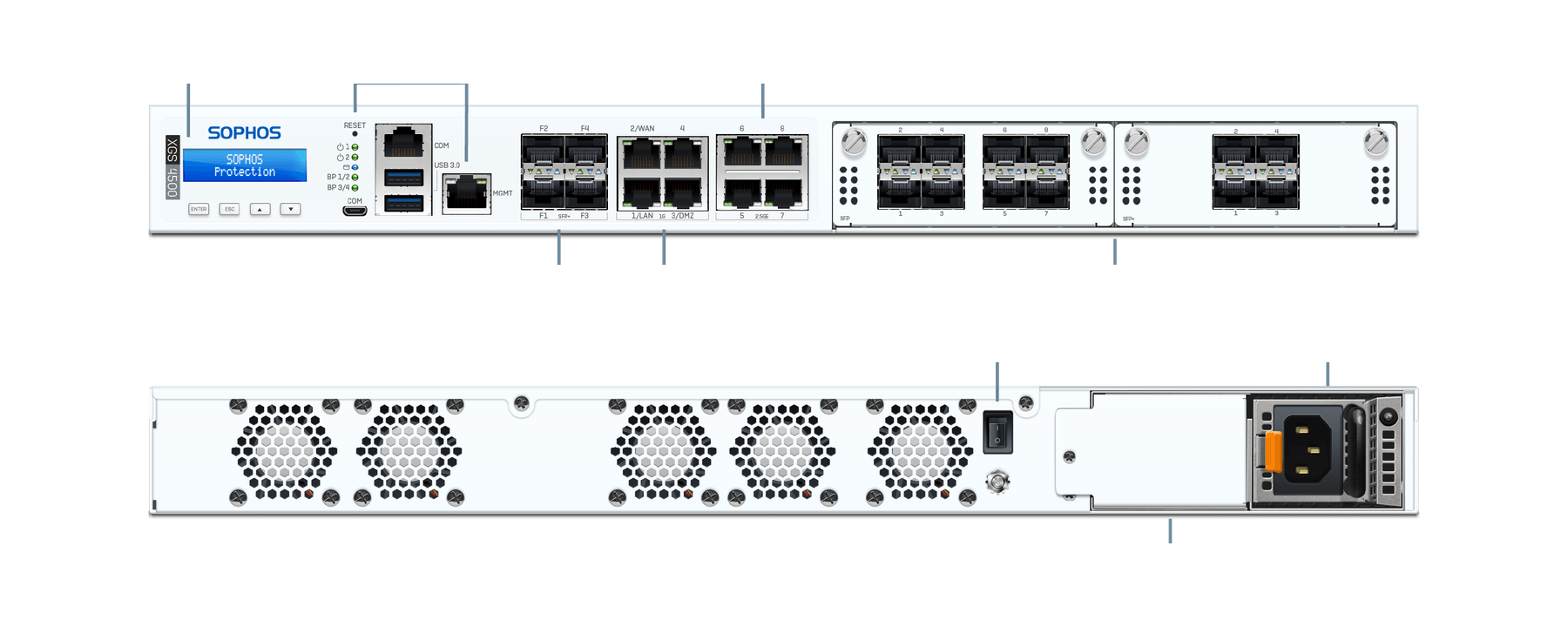
Higher-capacity 1U firewall for assessing inspected traffic and availability.