Clients need a solution that works in their environment.
The technology you choose matters. How it interacts with the network, access controls, applications, and the team's day-to-day work matters just as much. Add Solution works across this environment as a whole.
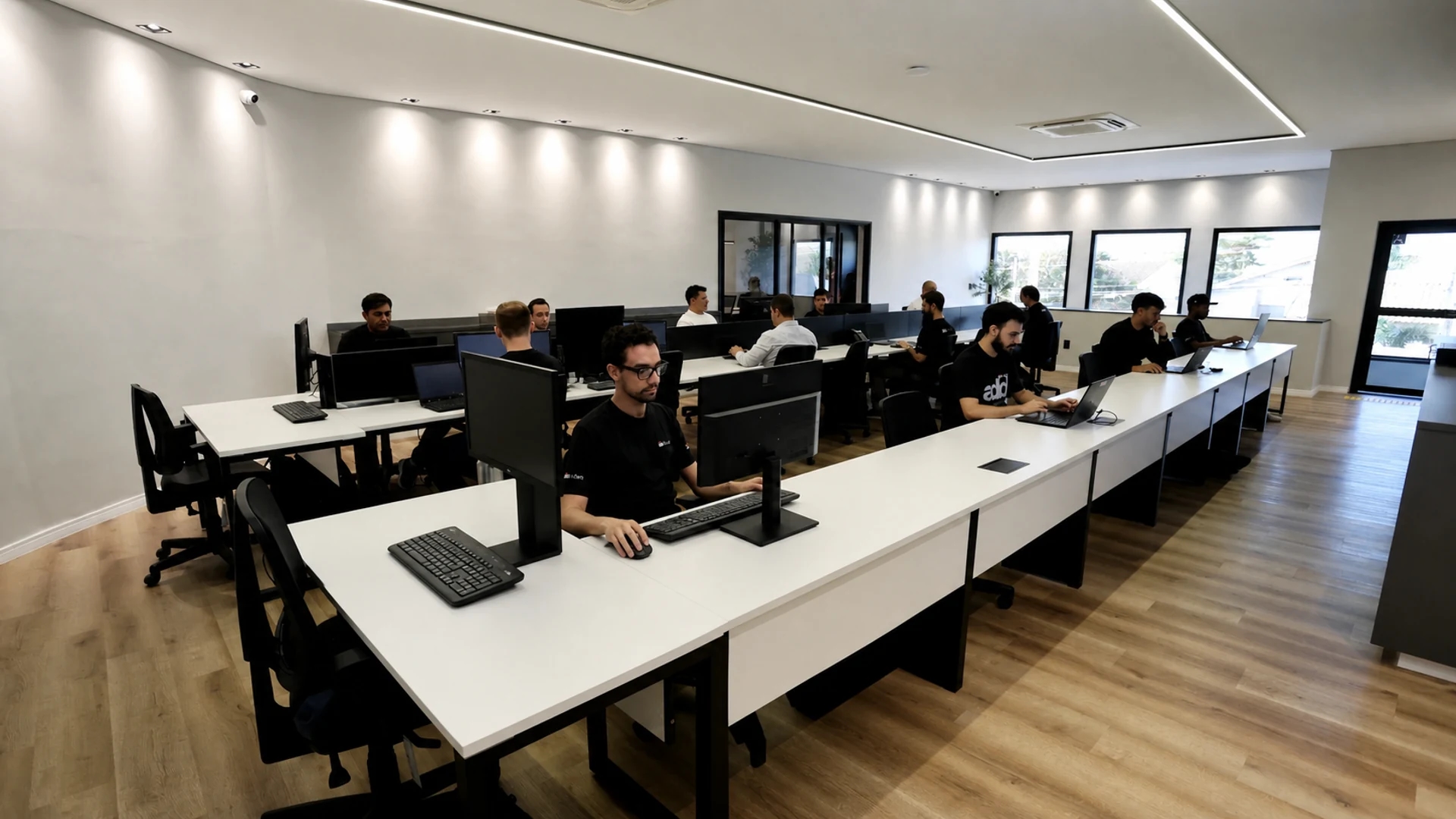
A new firewall cannot fix the network behind it on its own.
01Routing, switches, Wi-Fi, access controls, and applications can affect the outcome of a security implementation. When we identify a dependency, we explain its impact and agree on the appropriate course of action with the client. This does not mean expanding the scope without agreement; it means not concealing a condition that could compromise delivery.
Technical choices need to be explained.
02Capacity, compatibility, integration, security, observability, licensing, support lifecycle, migration, and operational knowledge all affect the outcome of a choice. Add Solution structures these criteria and records assumptions and limitations so the client understands why an alternative was recommended.
- Alignment with technical and business requirements.
- Integration with the existing architecture, policies, and tools.
- Capacity, growth, and continuity.
- Security, updates, and support lifecycle.
- Operations, observability, and the required knowledge.
- Costs and responsibilities throughout the lifecycle.
From presales to post-project support.
03Presales structures requirements, constraints, and alternatives before the scope is finalized. Execution may proceed as a project or a turnkey delivery, with defined responsibilities and acceptance criteria. When contracted, post-project work continues through support, documentation, observability, or administration. The engagement model changes; the need to explain decisions and record limitations remains.
Projects, technology as a service, or ongoing management.
04In some cases, the client contracts a project with a defined start, acceptance, and transition. In others, technology as a service brings hardware, licenses, and support together under an agreed model. Ongoing management may add monitoring, service support, and specialists. These models are neither equivalent nor automatic: scope, ownership, term, support, and responsibilities must be defined for each engagement.
Metrics need to align with the business.
05Monitoring is more than collecting metrics. Indicators need to track services and rules that matter to the business so the team can distinguish noise from a condition that requires attention. This perspective connects infrastructure, applications, and operational impact, making the response more focused.
Compare options based on the environment that needs ongoing support.
Share your requirements, constraints, and priorities. The conversation can help structure criteria, clarify dependencies, and define the next technical step.
Start a conversation